
Table of Contents
ToggleIntroduction
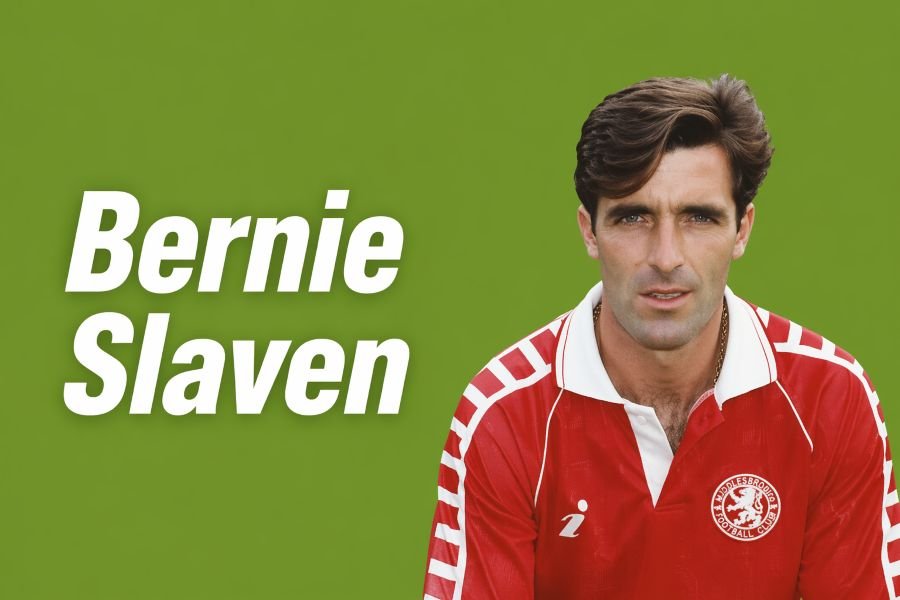
Bernie Slaven is not just another name in football history; he represents persistence, grit, and late success. Known as Wolfman and formally as Bernard Joseph Slaven, his story stands out because it defies the typical path of early stardom. Instead, his rise came after setbacks, rejection, and years of struggle.
What makes Bernie Slaven truly compelling is the contrast between his difficult beginnings and his eventual legendary status at Middlesbrough. His journey proves that success in football is not always about early talent recognition but about resilience, belief, and relentless effort.
Quick Bio
| Field | Details |
|---|---|
| Full Name | Bernard Joseph Slaven |
| Nickname | Wolfman |
| Date of Birth | 13 November 1960 |
| Age | 65 (as of 2026) |
| Birthplace | Paisley, Scotland |
| Nationality | Irish (international), Scottish-born |
| Profession | Former Footballer, Media Personality |
| Position | Striker |
| Height | 5 ft 10 in (1.78 m) |
| Known For | Middlesbrough Legend |
Early Life and Background
Bernie Slaven was born in Paisley and raised in Castlemilk, Glasgow, an area known for its working-class roots. Growing up in a modest household, he was introduced to football at a young age, developing a passion that would shape his future. However, unlike many professional players, his early years did not promise success.
His journey began with amateur football, where he played without fame or financial reward. These formative years were filled with uncertainty, as he balanced everyday life with his dream of becoming a professional Footballer, showing early signs of determination despite limited opportunities.
Start of Career
Slaven’s professional career officially began in the early 1980s, but it was far from glamorous. He played for smaller Scottish clubs such as Greenock Morton, Airdrieonians, and Queen of the South, struggling to secure a permanent place. At times, he was released and faced periods of unemployment.
A turning point came when he joined Albion Rovers, where he was converted from a midfielder into a striker. This change transformed his career, allowing his natural goal-scoring instincts to shine and finally giving him the recognition he had been chasing.
Breakthrough and Rise to Fame
At Albion Rovers, Bernie Slaven delivered an outstanding performance, scoring heavily and finishing as the top scorer in the Scottish Football League. This breakthrough marked the beginning of his rise and attracted attention from English clubs.
His move to Middlesbrough in 1985 changed everything. This was the stage where Bernard Joseph Slaven evolved into a true football icon, proving that persistence can eventually open doors even after years of struggle.
Middlesbrough Career – The Golden Era
Slaven’s time at Middlesbrough is considered the peak of his career. Over eight years, he became the club’s main striker, scoring 146 goals in 381 appearances. His contribution was crucial in helping the club secure three promotions and rise through the English football leagues.
His consistency, work ethic, and goal-scoring ability earned him the love of fans and recognition as one of the club’s greatest players. The nickname Wolfman became synonymous with his fearless and energetic style on the pitch.
Playing Style and Strengths
Bernie Slaven was not the fastest or most technically gifted player, but he possessed a natural striker’s instinct. His ability to be in the right place at the right time made him a constant threat in the penalty box.
His determination and resilience defined his playing style. Even after facing rejection early in his career, he never lost confidence, turning weaknesses into strengths and becoming a dependable goal scorer.
International Career
Despite being born in Scotland, Slaven qualified to play for the Republic of Ireland through his ancestry. He earned 7 international caps and scored one goal for the national team.
He was also part of the Ireland squad for the 1990 FIFA World Cup. While his international career was relatively short, it added an important chapter to his journey and highlighted his versatility as a Footballer.
Career Statistics and Achievements
Bernie Slaven’s career numbers reflect his effectiveness as a striker. He made over 500 appearances and scored more than 200 goals across all competitions, a remarkable achievement considering his late rise.
Among his key achievements are being the Scottish League Top Scorer (1984–85), winning Middlesbrough Player of the Year twice, and playing a vital role in multiple promotions. These milestones cemented his legacy in football.
Career Timeline
- 1975–1980: Amateur football years
- 1980–1983: Early professional struggles
- 1983–1985: Breakthrough at Albion Rovers
- 1985–1993: Middlesbrough golden era
- 1993–1995: Final playing years
- 1995: Retirement due to injury
This timeline highlights a steady progression, proving that success does not always come quickly but can be built over time through persistence.
Injury and Retirement
Slaven’s career came to an end in 1995 due to a back injury. Like many professional athletes, injuries eventually limited his ability to perform at the highest level.
Despite this setback, he left the game with dignity and respect, having achieved far more than many expected given his early struggles.
Life After Football
After retiring, Bernie Slaven transitioned into media, becoming a football commentator and radio presenter. His personality and deep knowledge of the game made him a popular voice among fans.
He also worked in television and authored books, continuing to contribute to football even after his playing days were over. This second career ensured that his connection with the sport remained strong.
Legacy and Impact
Bernie Slaven’s legacy goes beyond statistics. He is remembered as a symbol of perseverance, proving that success can come even after rejection and hardship.
For Middlesbrough fans, he remains a legend. For aspiring players, his journey serves as motivation, showing that determination and belief can turn even the toughest beginnings into a successful career.
Conclusion
The story of Bernie Slaven is both inspiring and realistic. It highlights the harsh realities of football while also celebrating the rewards of persistence. From being overlooked to becoming a club legend, his journey is a testament to hard work and resilience.
In the world of football, where talent often gets immediate recognition, Slaven’s late success stands as a powerful reminder that determination can be just as important as skill.
FAQ
Who is Bernie Slaven?
Bernie Slaven is a former professional Footballer known for his time at Middlesbrough and his goal-scoring ability.
What is Bernie Slaven’s real name?
His real name is Bernard Joseph Slaven.
Why is Bernie Slaven called Wolfman?
The nickname reflects his energetic and aggressive playing style on the pitch.
Which club made him famous?
Middlesbrough is the club where he became a legend.
Did Bernie Slaven play internationally?
Yes, he played for the Republic of Ireland and was part of the 1990 World Cup squad.
