
Table of Contents
ToggleIntroduction
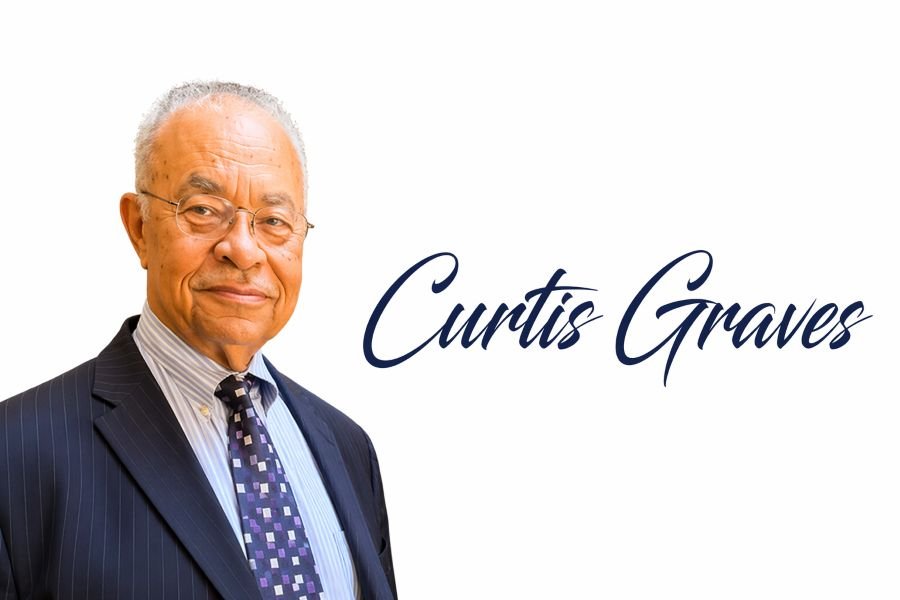
Curtis Graves stands as one of those rare figures whose life tells a story of both struggle and triumph. His journey reflects the harsh realities of racial inequality in America, yet also highlights the power of determination and leadership. As a civil rights activist and former Texas State Representative, he broke barriers that once seemed impossible to cross.
Growing up in a time when opportunities for African Americans were limited, Graves chose not to remain silent. Instead, he became a voice for change. His work in civil rights and politics not only transformed his own life but also opened doors for many others who followed in his footsteps.
Quick Bio
| Field | Information |
|---|---|
| Real Name | Curtis Matthew Graves |
| Date of Birth | August 26, 1938 |
| Date of Death | July 26, 2023 |
| Age | 84 years |
| Birthplace | New Orleans, Louisiana, USA |
| Nationality | American |
| Ethnicity | African American (Creole heritage) |
| Profession | Politician, Civil Rights Activist, Photographer |
| Education | Texas Southern University (BBA), Princeton University (Postgraduate) |
| Political Role | Texas House of Representatives (1967–1973) |
| Spouse | Joanne Graves (divorced), Kay Bryant |
| Children | 3 (including Gizelle Bryant) |
Early Life and Background
Curtis Graves was born in New Orleans, a city rich in culture but deeply affected by racial divisions during his early years. Growing up in a Creole family, he experienced both the beauty of heritage and the harshness of inequality. These early experiences shaped his awareness of social injustice and planted the seeds of activism in his mind.
His family environment played an important role in building his confidence. He was exposed to discussions about race, opportunity, and resilience from a young age. This upbringing helped him develop a strong sense of identity and purpose, which later guided his decisions in both activism and politics.
Education and Personal Growth
Education became a turning point in Graves’ life. He attended Texas Southern University, where he earned a degree in Business Administration. During this time, he was not just a student; he became actively involved in movements that challenged segregation and discrimination.
His academic journey did not stop there. Graves continued his studies at Princeton University, which broadened his worldview and sharpened his leadership skills. These experiences helped him transition from a passionate activist into a strategic thinker capable of influencing policy and governance.
Rise as a Civil Rights Activist
Curtis Graves emerged as a powerful voice during the civil rights movement of the 1960s. He participated in protests, sit-ins, and community organizing efforts aimed at ending segregation and ensuring equal rights. His courage during this period was remarkable, especially considering the risks involved.
Being a civil rights activist and former Texas State Representative, he bridged activism with political action. He understood that lasting change required more than protests—it required representation in government. This realization pushed him toward a career in politics, where he could influence laws directly.
Political Career and Achievements
Graves made history when he was elected to the Texas House of Representatives in 1966. His victory was significant because it marked the return of African American representation in Texas politics after a long gap since Reconstruction. It was not just a personal achievement; it was a moment of progress for an entire community.
During his time in office from 1967 to 1973, he worked on issues that mattered to ordinary people. He advocated for fair wages, equal opportunities, and support for marginalized communities. Despite facing resistance and discrimination, he remained committed to his mission of creating a more just society.
Career Timeline
- 1938: Born in New Orleans, Louisiana
- 1960s: Became active in civil rights movements
- 1963: Graduated from Texas Southern University
- 1966: Elected to Texas House of Representatives
- 1967–1973: Served as State Representative
- Post-1973: Transitioned to roles in public service and education
- Later Years: Focused on photography and cultural work
- 2023: Passed away at the age of 84
Career Beyond Politics
After leaving politics, Curtis Graves did not step away from public service. Instead, he shifted his focus to education and community engagement. His work in this phase of life showed that leadership is not limited to holding office; it can continue in many different forms.
He also developed a deep interest in photography. Through his artistic work, he explored themes of history, identity, and memory. This creative side of Graves revealed a more reflective and thoughtful dimension of his personality, adding depth to his already remarkable life story.
Personal Life and Character
Curtis Graves maintained a relatively private personal life despite his public career. He was a family-oriented individual who valued relationships and personal connections. His role as a father was important to him, and his influence extended beyond politics into his family life.
What stood out most about Graves was his resilience. He faced criticism, challenges, and systemic barriers, yet he continued to move forward. His ability to remain focused on his goals, even in difficult times, is one of the defining aspects of his character.
Legacy and Lasting Impact
Curtis Graves left behind a legacy that goes far beyond his political achievements. He is remembered as a pioneer who helped reshape the landscape of representation in Texas. His efforts contributed to a broader movement that continues to influence society today.
His life serves as a reminder that progress often comes with struggle. While he achieved significant success, his journey also reflects the challenges faced by those who fight for equality. This combination of triumph and hardship makes his story both inspiring and deeply human.
Conclusion
Curtis Graves lived a life marked by courage, determination, and purpose. From his early days in New Orleans to his role as a civil rights activist and former Texas State Representative, he consistently worked toward a better future for others. His journey was not easy, but it was meaningful.
In the end, his legacy is one of impact. He proved that one individual can make a difference, even in the face of adversity. His story continues to inspire those who believe in justice, equality, and the power of standing up for what is right.
Useful FAQ
1. Who was Curtis Graves?
Curtis Graves was an American civil rights activist, politician, and photographer who served in the Texas House of Representatives.
2. Why is Curtis Graves important in history?
He was among the first African Americans elected to the Texas legislature after Reconstruction, marking a significant milestone in political representation.
3. What role did he play in the civil rights movement?
He actively participated in protests, sit-ins, and advocacy efforts aimed at ending segregation and promoting equal rights.
4. What did Curtis Graves do after politics?
After leaving politics, he focused on public service roles and later pursued photography, exploring cultural and historical themes.
5. Where was Curtis Graves born?
He was born in New Orleans, Louisiana, USA.
6. How did Curtis Graves contribute to society?
He contributed through activism, legislation, and education, helping improve opportunities for marginalized communities.
7. What is Curtis Graves’ legacy?
His legacy lies in breaking racial barriers in politics and inspiring future generations to pursue equality and justice.
